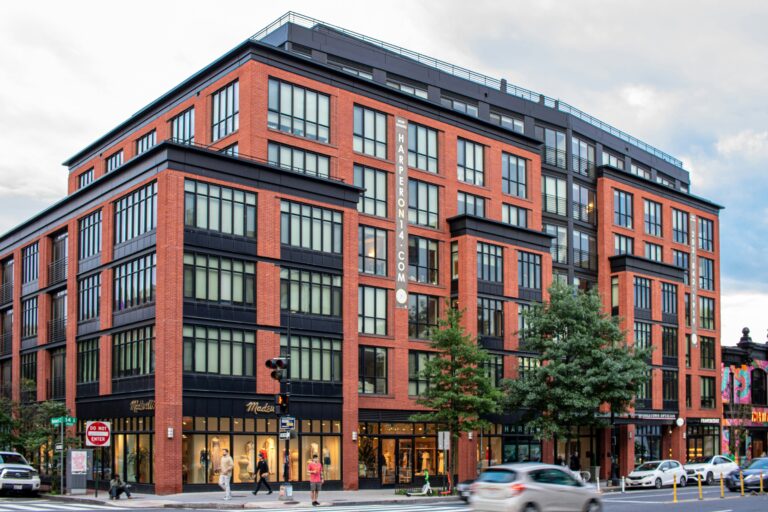

“Value-add” appears in nearly every multifamily investment pitch. At its core, it simply means buying a property that is performing below its potential and improving it. But the phrase covers a wide range of strategies — some straightforward, some risky. Knowing where the upside actually comes from helps investors, brokers, and owners evaluate opportunities more clearly.
Lever 1: Bringing Rents to Market
Long-time owners often fall behind market rents, especially if they self-manage or have prioritized low turnover. Gradually bringing rents in line with comparable properties — as leases renew and units turn — is often the most reliable source of added income. The key word is comparable: rent assumptions must be supported by nearby properties of similar quality.
Lever 2: Renovating Units
Updating kitchens, bathrooms, flooring, and fixtures can justify higher rents. The math matters: an investor should know the cost per unit, the expected rent increase, and how long it takes to earn back the investment. Renovations that residents in the submarket will not pay for do not add value.
Lever 3: Improving Operations
Some of the best value-add opportunities involve no construction at all. Better management can reduce vacancy, speed up unit turns, lower delinquency, and cut unnecessary expenses. Common examples include:
- Implementing utility bill-back programs where appropriate
- Rebidding insurance, landscaping, and service contracts
- Improving leasing and marketing to reduce vacancy days
- Tightening rent collection and resident screening
Lever 4: Adding New Income
Covered parking, storage units, pet fees, laundry upgrades, and package lockers can add income without raising base rents. Individually they may seem small, but because apartment values are tied to net operating income, each additional dollar can meaningfully increase value.
Lever 5: Fixing the Physical Property
Deferred maintenance — roofs, plumbing, parking lots, drainage — often suppresses a property’s appeal and value. Addressing these items can improve resident retention, reduce emergency repairs, and position the property for refinancing or sale.
The best value-add plans are boring: a clear list of improvements, realistic costs, and rent assumptions backed by the market.
The Risks to Respect
- Renovation costs can run over budget, especially with older buildings.
- Timelines can slip, delaying the income increase the plan depends on.
- Market rents may not support projected increases.
- Financing costs can change, particularly with floating-rate or short-term debt.
- Resident turnover can be higher than expected during repositioning.
Conservative underwriting — realistic budgets, contingencies, sensible leverage, and stress-tested assumptions — is what separates a durable value-add plan from a speculative one.
The Bottom Line
Value-add investing works best when the upside is visible, measurable, and supported by the market. For owners, it explains why buyers may be interested in a property that needs work. For investors, it offers a framework for asking the right questions.
Have a property with upside? Submit it to our acquisitions team. Interested in investing? Learn how our partnerships work.