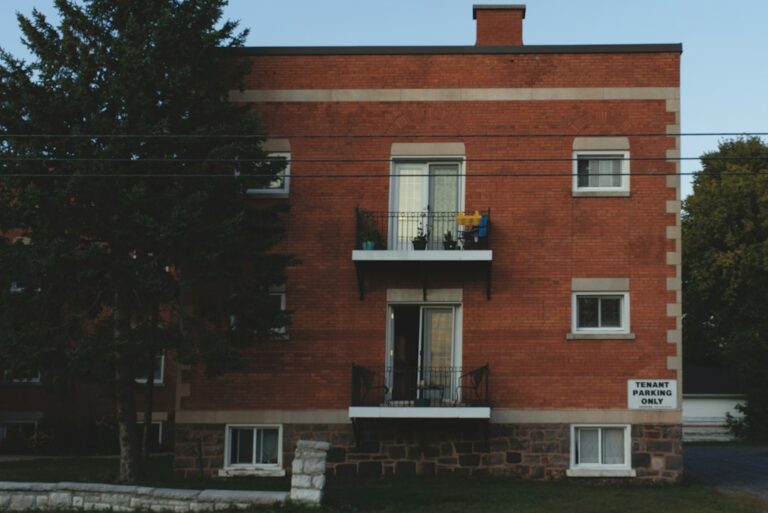

Watertown landlord rules come almost entirely from South Dakota state law: the city has no rent control and no separate eviction procedure, so SDCL chapters 43-32 and 21-16 set the baseline for every apartment in town. On top of that, Watertown adds its own fair housing ordinance, a 2024-edition property maintenance code, fire-safety rules for residential buildings and nuisance standards for snow, weeds and garbage.
Two recent state changes matter for anyone who learned South Dakota landlord law a few years ago. In 2024 the legislature repealed the old three-day notice to quit, and in 2026 it lengthened the deadline for returning security deposits. Both are covered below, with each rule tied to the current statute or ordinance text.
Watertown landlord rules start with South Dakota statutes
Watertown sits in Codington County, and the U.S. Census Bureau counted 22,655 residents there in the 2020 Census, with an estimate of 23,230 as of July 1, 2023. According to the bureau’s Watertown QuickFacts profile, 62.7% of occupied homes were owner-occupied in the 2019-2023 American Community Survey, leaving roughly 37% of households renting, and median gross rent was $904 a month.
For the people collecting that rent, the governing text is South Dakota Codified Laws chapter 43-32 on the lease of real property, together with chapter 21-16, the state’s eviction statute. A few baseline points frame everything else:
- Oral leases count. The repair duties in SDCL 43-32-8 apply to every residential hiring “whether in writing or parol.”
- Default terms fill gaps. Under SDCL 43-32-4, a hiring of lodgings with no agreed term is presumed to run for the rent period, and with no agreement at all it is presumed monthly.
- Long leases need paper. SDCL 43-32-5 makes a lease longer than one year invalid unless it, or a memorandum of it, is in writing and signed by the landlord or an authorized agent.
- Leases follow the building. SDCL 43-32-21 lets a tenant enforce lease agreements against the landlord’s assigns, so a buyer inherits the existing leases.
Rent, increases and the statewide ban on rent control
South Dakota closes the door on local rent regulation. SDCL 6-1-13 says no local governmental unit may enact, maintain or enforce any enactment that would have the effect of controlling the rent charged for private residential property. Watertown could not adopt a rent cap even if it wanted one.
The state does regulate how rent changes. For month-to-month tenancies, SDCL 43-32-13 lets a landlord modify the terms, including rent, with written notice at least 30 days before the end of the month. If the tenant stays past that month, the new terms take effect automatically. The tenant may instead give notice within 15 days of receiving the change and end the lease effective the first day of the next month. Fixed-term leases keep their stated rent until the term ends unless the lease allows otherwise.
One limit applies to the size and timing of an increase. Under SDCL 43-32-27, a tenant has a retaliation claim if the landlord raises rent above fair market value, cuts electric, gas, water or sewer service, or gives a notice to vacate not based on a lease breach after the tenant makes a good-faith code complaint to a government agency, sends a written repair request, or joins a tenants’ organization. A notice to vacate given more than 180 days after that event is a defense, and declining to renew a written lease at expiration is not retaliation. Violations carry the remedies in SDCL 43-32-6 and possible attorney’s fees under SDCL 43-32-28.
Security deposits after the 2026 change
SDCL 43-32-6.1 treats any money that secures performance of a residential rental agreement as a security deposit, whatever the lease calls it. A landlord may not demand or receive more than one month’s rent, except that a larger deposit may be agreed on where special conditions pose a danger to maintenance of the premises.
The 2026 session law amending SDCL 43-32-24 (Senate Bill 4), signed February 11, 2026, replaced the old two-week return deadline with 21 days. Because the act set no effective date of its own, SDCL 2-14-16 made it effective July 1, 2026. The current rule:
- Deadline: Within 21 days after the tenancy ends and the landlord receives the tenant’s mailing address or delivery instructions, return the deposit or give a written statement of the specific reason for withholding any part.
- Allowed deductions: Only amounts reasonably necessary for unpaid rent, other funds due under an agreement, and restoring the unit to its move-in condition, ordinary wear and tear excepted.
- Itemized accounting: On the tenant’s request, within 45 days after the tenancy ends.
- Penalties: A landlord who does not comply forfeits all rights to withhold, and bad-faith retention can bring punitive damages of up to $200.
Forfeiture is the costly part: a legitimate damage claim can be lost entirely by missing the window, so property managers should record move-out dates and forwarding addresses the day a unit turns over. Note that the clock starts only once the landlord has both the end of the tenancy and the tenant’s mailing address or delivery instructions. For belongings left behind, SDCL 43-32-25 presumes property worth $500 or less abandoned after 10 days, while SDCL 43-32-26 requires the landlord to store more valuable property, with a lien for storage costs, for at least 30 days before treating it as abandoned.
Repairs, habitability and what tenants can do
Under SDCL 43-32-8, the landlord must keep the premises and all common areas in reasonable repair, fit for human habitation and in good and safe working order, and must maintain the electrical, plumbing and heating systems, except where the tenant or someone under the tenant’s control caused the damage. The lease cannot waive these duties, though the parties may agree that the tenant performs specified repairs in lieu of rent. SDCL 43-32-10 makes the tenant responsible for preserving the unit and repairing damage the tenant causes.
If the landlord does not act within a reasonable time after notice, SDCL 43-32-9 lets the tenant repair and deduct the cost from rent, or vacate and owe no further rent. When necessary repairs exceed one month’s rent, the tenant may, after written notice, withhold rent and deposit it in a separate account used only for the repairs. A failed boiler in a South Dakota winter is exactly the kind of condition these sections cover.
Self-help eviction is off the table. Under SDCL 43-32-6, a landlord who unlawfully locks out a residential tenant or willfully interrupts electric, gas, water or another essential service owes damages equal to two months’ rent plus return of any advance rent and deposit, and the tenant may also seek an injunction or possession.
Entry, disclosures and protected tenant situations
SDCL 43-32-32 requires reasonable notice before entering, except in emergencies, and 24 hours’ written notice is presumed reasonable unless the lease sets another method. The notice must give the date, a window during normal business hours, the purpose and a way for the tenant to ask to reschedule.
Two disclosures apply to most owners. Under SDCL 43-32-30, a landlord with actual knowledge of prior methamphetamine manufacturing in a unit must disclose it. For housing built before 1978, the federal rule on the EPA’s lead-based paint disclosure page requires the EPA pamphlet, disclosure of known lead hazards and reports, a Lead Warning Statement in or attached to the lease, and keeping signed copies for three years.
Several statutes protect particular tenants. SDCL 43-32-18.1 bars lease terms that allow eviction of a tenant who calls police or emergency responders about alleged domestic abuse, unlawful sexual behavior or stalking. Under SDCL 43-32-19.1, a victim may end the lease without an early-termination fee by giving written notice with a police report, protection order or provider’s documentation from the prior 30 days. For service and assistance animals, SDCL 43-32-34 and 43-32-35 let landlords request reliable documentation from a licensed health care provider unless the need is apparent or already known, and SDCL 43-32-36 allows eviction and a damage fee of up to $1,000 for knowingly fraudulent claims.
Ending a tenancy and evictions in Codington County
Under SDCL 43-8-8, a landlord may end a residential tenancy at will with at least 15 days’ written notice, delivered as SDCL 43-8-9 describes or posted conspicuously if no one can be found. Households with an active-duty service member are entitled to two months’ notice, with exceptions for serious misconduct or a sale. For periodic tenancies with no set term, SDCL 43-32-15 presumes renewal unless either side gives notice as long as the rental period, up to one month.
No more three-day notice to quit
Senate Bill 90 (2024 Session Laws chapter 75) repealed SDCL 21-16-2, which had required three days’ written notice to quit before filing for nonpayment, holdover and similar grounds. The grounds remain in SDCL 21-16-1: holding over after the lease ends, failing to pay rent for three days after it is due, committing waste, or breaching a term that ends the lease.
How the court case runs
Codington County is in South Dakota’s Third Judicial Circuit under SDCL 16-5-1.2, and SDCL 21-16-3 gives the circuit or magistrate court in the county jurisdiction over evictions. The Unified Judicial System’s landlord and tenant eviction resources include the statewide forms. The key steps:
- Filing: A case filing statement, summons and verified complaint go to the clerk of court. The UJS eviction checklist (Form UJS-109, revised July 2026) lists a $72 filing fee and notes that a corporation or LLC plaintiff needs an attorney.
- Service: SDCL 21-16-6 requires at least two service attempts a week apart within 30 days; on the second, the summons may be posted, delivered to a resident and mailed.
- Answer: Since 2024, SDCL 21-16-7 gives the tenant five days from service to respond, and continuances are capped at 14 days unless the tenant posts security for rent and costs.
- Judgment: The court can award possession, rent or damages and costs (SDCL 21-16-10) plus reasonable attorney fees to the prevailing party (SDCL 21-16-11), and execution for possession is served only in daytime (SDCL 21-16-12).
Money claims do not always end with the judgment. The UJS checklist notes that damages discovered after the tenant moves out can be pursued separately in small claims court. A tenant who willfully holds over after the term ends, and after a notice to quit and demand for possession, can also owe double the yearly value of the property for the holdover period under SDCL 21-3-8. For a default judgment, the checklist requires a statement of the tenant’s military status along with the motion, so owners should confirm that information before filing.
Fair housing under state law and Watertown’s own ordinance
Under SDCL 20-13-20, it is unlawful to refuse to rent, set different terms, or advertise a preference based on race, color, creed, religion, sex, ancestry, disability, familial status or national origin, and landlords must allow reasonable modifications at a disabled tenant’s expense. State charges must be filed within 180 days (SDCL 20-13-31). Federal fair housing law applies as well.
Chapter 7.12 of the Revised Ordinances of the City of Watertown, the city’s Fair Housing Ordinance, goes further. Inside city limits it bars discriminatory terms, refusals to negotiate, false claims that a unit is unavailable and discriminatory advertising because of race, color, religion, sex, age, marital status, physical limitations, source of income, family responsibilities, educational association or national origin. Source of income covers any legal source of money, and educational association means being enrolled or not enrolled at a school, so neither benefit income nor student status can drive a screening decision. Complaints to the city’s five-member Fair Housing Board, whose members are appointed by the mayor with council approval, must be filed within 60 days of the alleged practice. Violations carry fines of $100 to $500 per offense, and after the board process a court can order compliance, block the transaction at issue, and award compensatory and, where appropriate, punitive damages.
City codes that reach Watertown apartment buildings
The city’s compiled ordinances, updated through August 28, 2026 (Ordinance 26-28), include several rules aimed at residential buildings:
- Property maintenance: Title 5 adopts the International Property Maintenance Code, 2024 Edition, and the 2024 International Existing Building Code, with local amendments.
- Alarms: Section 10.0211 requires smoke alarms in each bedroom, hallway and floor of residential occupancies, maintained by the owner, plus carbon monoxide detectors where a fuel-fired furnace or cooking appliance is present.
- Sprinklers: Group R buildings need sprinklers, except apartments with four or fewer units and two or fewer levels, unless a unit has four or more bedrooms.
- Posted contact: Buildings with more than four units and a common hallway must post the owner’s or operator’s name and phone number inside the entrance.
- Hoarding: Section 10.0213 bars multifamily occupants from accumulating items that create a hazard for neighboring units.
Seasonal rules apply to the owner or occupant. Section 18.0311 requires sidewalks to be cleared of snow and ice within 24 hours after it forms, as the city’s snow and ice removal page also notes, and section 18.0312 lets the city clear the walk and charge the property. Section 18.0312A bars pushing snow onto public streets or lots. In summer, weeds over eight inches are a nuisance (section 11.0712), and the city can order cutting within five days after notice (section 11.0716). Residential refuse collection is a monthly charge against the occupant of each dwelling (section 11.0405), so leases should state who pays it and who handles snow and mowing.
Putting the rules to work in Watertown
Most compliance problems come from routine paperwork rather than obscure statutes. A short checklist covers the bulk of the risk:
- Deposits: Cap them at one month’s rent and log every move-out so the 21-day return or statement goes out on time.
- Rent changes: Give month-to-month tenants written notice at least 30 days before month’s end, and avoid increases or notices to vacate right after repair requests or code complaints.
- Entry and screening forms: Use a 24-hour entry notice with all required details, and screening criteria that ignore source of income, age, marital status and student status.
- Safety and seasons: Test alarms at each turnover and assign snow removal and mowing in writing.
- Eviction readiness: If the building is held in an LLC, have counsel lined up and keep ledgers and leases ready for a verified complaint.
Because leases transfer with the property, these obligations also shape what a buyer inherits. Owners weighing a sale with residents in place can read our guide to selling a rental property with tenants in place. For local context, see our Watertown market page on selling an apartment building in Watertown, and for statewide coverage, our South Dakota multifamily market overview.