CapEx vs. repairs and maintenance
The basic test is whether the spending keeps the property in ordinary working condition or makes it better, longer-lasting or adapted to a new use. Patching a roof leak, fixing a faucet or repainting a unit between tenants is generally repair and maintenance, an operating expense. Replacing the roof, the plumbing risers or all the windows is generally a capital expenditure.
For tax purposes, the IRS has detailed rules on what must be capitalized and depreciated and what can be deducted immediately, including safe harbors for routine maintenance and small purchases. Your CPA applies those rules; for underwriting, the practical question is whether a cost is recurring and ordinary or occasional and significant.
Common CapEx in apartment buildings
Typical capital items include:
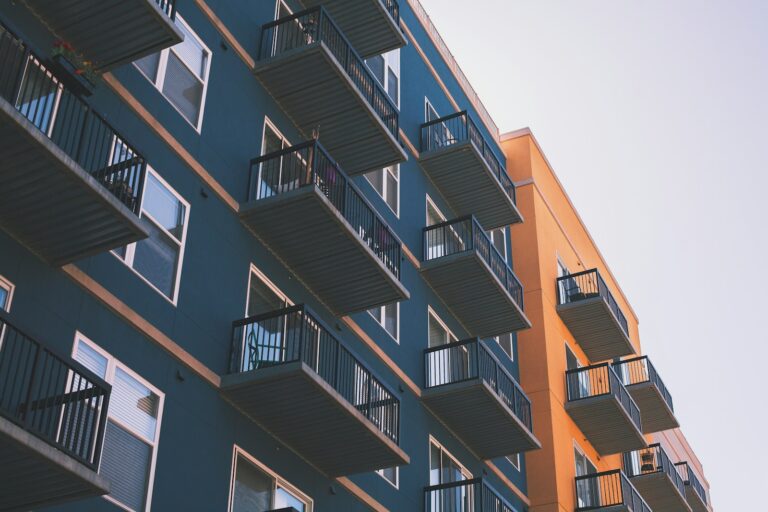
- Roofs, siding, windows and exterior repairs such as balconies and stairs.
- Mechanical systems: boilers, water heaters, HVAC, elevators and electrical upgrades.
- Plumbing replacements, including sewer lines and risers.
- Parking lot resurfacing, drainage and site work.
- Unit renovations: kitchens, baths, flooring and appliances in a value-add plan.
- Amenity and common-area upgrades, laundry rooms and security systems.
Replacement reserves
Because big replacements arrive unevenly, owners and lenders set aside money each year in a replacement reserve. Lenders often require a per-unit annual reserve deposit, and many underwriters subtract a reserve when estimating NOI so that the value reflects the building’s long-term capital needs. Older buildings, buildings with original systems and properties with deferred maintenance usually need higher reserves.
How CapEx affects value, returns and taxes
Deferred CapEx lowers what a buyer will pay, because the buyer has to fund it after closing. A building with a new roof and boilers will usually command more than an identical building facing those replacements soon, even if their NOI is the same. In a value-add plan, the opposite applies: CapEx is spent deliberately to raise rents and NOI, and the return on that spending drives the investment.
CapEx reduces cash flow when it is spent but not NOI. For taxes, capitalized improvements increase the property’s basis and are depreciated over time, and a cost segregation study can accelerate depreciation on some components.