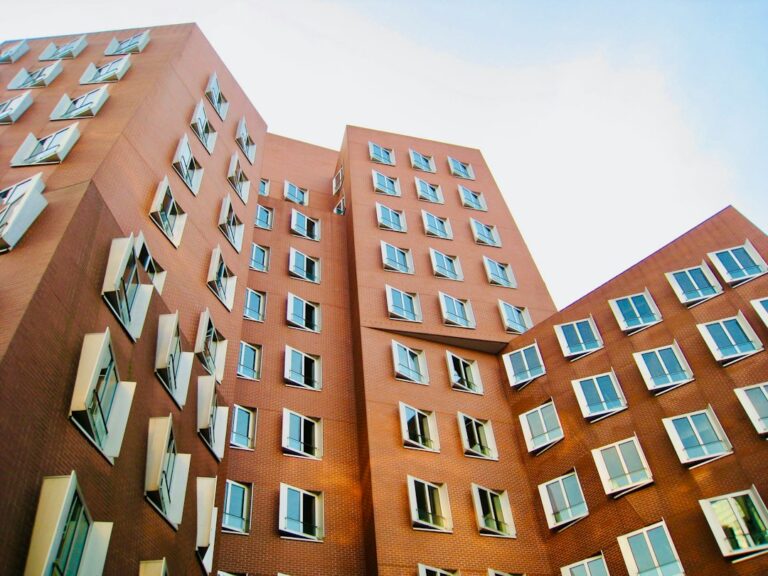
What does multifamily mean?
A multifamily property is a residential building, or a group of buildings on one lot, with two or more separate units. Each unit has its own kitchen, bathroom and entrance, and each household lives on its own. The opposite is a single-family home, which holds one household.
The U.S. Census Bureau draws the line based on construction. Attached homes count as single-family only if each one has a ground-to-roof wall, its own heating system and utility meters, and no unit above or below it. Anything that fails that test is multifamily.
Types of multifamily property
Multifamily covers everything from a two-unit house to a tower with hundreds of apartments. Owners and lenders usually group it like this:
- Duplex, triplex and fourplex: two to four units, often in a building that looks like a large house.
- Small apartment building: five to roughly fifty units, such as a walk-up or a courtyard building.
- Garden-style complex: low-rise buildings spread over a large site, usually with parking and shared amenities.
- Mid-rise and high-rise: elevator buildings, common in denser cities, sometimes with retail on the ground floor.
- Specialty multifamily: student housing, senior apartments and income-restricted affordable housing.
- Mixed-use: apartments above shops or offices. For tax depreciation, a building counts as residential rental property only if at least 80% of its rent comes from dwelling units.
Why 5 units is the important line
For buying and financing, the biggest dividing line is between two to four units and five or more. Lenders treat a duplex through a fourplex like a house, with residential mortgages, including FHA loans for owner-occupants, sized mostly on the borrower’s income and credit.
At five units, a building becomes commercial real estate. Fannie Mae and Freddie Mac multifamily loans, bank loans and HUD programs size the loan on the property’s net operating income, and appraisers value the building mostly on that income divided by a market cap rate. That’s why a 12-unit building is priced more like a business than a home.
Multifamily vs condo, townhouse and single-family
These words describe different things. Multifamily describes the building; condominium describes the ownership. A condo building is physically multifamily, but each unit is owned separately, while a rental apartment building has one owner for all of its units. A townhouse with its own walls, systems and meters is usually counted as single-family attached housing, not multifamily.
| Type | Units per building | Who owns it | Counts as multifamily? |
|---|---|---|---|
| Single-family home | 1 | One owner | No |
| Townhouse (separate walls and meters) | 1 per structure | One owner per home | Usually no |
| Duplex to fourplex | 2 to 4 | One owner | Yes, financed like a home |
| Apartment building | 5 or more | One owner or investor group | Yes, commercial |
| Condo building | Many | Each unit owned separately | Yes, as a building type |
Multifamily as an investment
Investors like multifamily because rent comes from many households, so one vacancy hurts less, and because the value is tied to income an owner can improve. The trade-offs are higher purchase prices, commercial loans and more management. Our multifamily real estate investing guide covers how returns are measured, the risks and the taxes.