
Nevada Multifamily Buyer
Sell Your Commercial Property In Nevada
Nevada attracts residents and employers with no state income tax, while Las Vegas and Reno continue to diversify into logistics, technology, and healthcare.
- Clear feedback on your deal, typically within 48 hours
- 5 to 100+ units, stabilized or distressed, listed or off-market
- Owners, agents, and brokers welcome — every conversation is confidential
We buy:Tired landlordsEstate & trust sales1031 exchangesDeferred maintenanceHigh vacancyPartnership splits
Key Metros
Multifamily Markets In Nevada
Every City We Cover
Browse Nevada By County
Elko County
Lyon County
Independent Cities
We also buy in Pahrump, and communities statewide.
Local Market Data
Nevada Apartment Market
Figures gathered October 2026 from public market data.
To sell commercial property in Nevada, start with the figures buyers price against. Statewide median gross rent was $1,597 a month and rental vacancy 6.8%, per the Census Bureau's 2020-2024 American Community Survey. Renters occupy 40.0% of occupied Nevada homes, and 21.8% of all Nevada housing units sit in buildings with five or more units.
Those statewide figures hide a gap between Nevada's two major counties. Clark County posts a $1,626 median gross rent with 42.2% renter share, while Washoe County sits at $1,608 and a tighter 6.2% rental vacancy. Below, Nevada rents, five-year trends, county figures and the state's landlord and tax rules sit side by side, so a Nevada owner can see how a buyer will read a building before any offer arrives.
Population growth
Nevada's population grew 7.1% between the 2015-2019 and 2020-2024 ACS periods, to 3,184,612 residents, per Census table B01003.Employment gains
Nevada employment rose 6.6% to 1,499,718 workers over the same span, per Census table B23025, supporting rental demand.Household income growth
Nevada median household income rose 29.6%, from $60,365 to $78,260, between the 2015-2019 and 2020-2024 ACS periods.The Nevada rental market at a glance
Nevada had 481,396 renter households in the Census Bureau's 2020-2024 American Community Survey, or 40.0% of 1,202,593 occupied homes. Owners hold the other 60.0%. Apartment-style stock is a meaningful share: 288,540 Nevada housing units, 21.8% of the total, sit in buildings of five or more units, per ACS table B25024.
Nevada rental vacancy stood at 6.8% in the 2020-2024 DP04 housing profile. Statewide median household income was $78,260, so the $1,597 median gross rent equals about 24.5% of a typical Nevada household's gross income. Renters feel more strain: 55.9% of Nevada renter households paid 30% or more of income on rent, per ACS table B25070.
Five-year trends in Nevada
Nevada median gross rent rose 44.3% between the 2015-2019 and 2020-2024 ACS periods, from $1,107 to $1,597 a month. Median household income grew 29.6% over the same span, from $60,365 to $78,260. Nevada rents therefore outran incomes by 14.7 percentage points.
Nevada added 1,399 renter households between the two periods, a modest 0.3% gain statewide. Units in five-plus buildings rose 2.2%, while Nevada's population grew 7.1% and employment climbed 6.6% to 1,499,718 workers, per Census table B23025.
Growth was uneven across Nevada. Washoe County renter households rose 5.3% and its units in five-plus buildings jumped 18.5% between the two ACS periods, while Clark County's larger-building stock slipped 0.6% even as Clark rents rose 43.6%.
Nevada county comparison
Median gross rent in Nevada's two major counties runs from $1,608 in Washoe County to $1,626 in Clark County. Rental vacancy is tighter in Washoe County, at 6.2%, than in Clark County, at 7.1%, per each county's 2020-2024 ACS figures.
| County | Median gross rent | Renter share | Share of units in 5+ buildings | Rental vacancy |
|---|---|---|---|---|
| Clark County | $1,626 | 42.2% | 23.7% | 7.1% |
| Washoe County | $1,608 | 40.1% | 24.0% | 6.2% |
Clark County, home to Las Vegas and Henderson, leads Nevada on renter share at 42.2%, reflecting its larger apartment base. Washoe County, anchored by Reno and Sparks, runs the tighter rental market of the two, with 6.2% vacancy against Clark County's 7.1%.
Nevada landlord, tax and transfer rules
Nevada sets no statutory rent cap and no blanket preemption in NRS Chapter 118A. NRS 118A.300 requires 60 days' written notice before a rent increase on most Nevada tenancies, 30 days for a periodic tenancy under one month.
Nevada caps a security deposit at three months' periodic rent under NRS 118A.242, covering the deposit, any surety bond and last month's rent together. A landlord must return an itemized accounting and any balance within 30 days after the tenancy ends.
Nevada assesses real property, including apartment buildings, at 35% of taxable value. Taxable value follows a cost method, land at market value plus replacement cost less depreciation, so a Nevada sale price does not by itself reset the tax bill.
Nevada's real property transfer tax varies by county population under NRS Chapter 375. Clark County, with more than 700,000 residents, charges $2.55 per $500 of value, so a $2 million Clark County sale carries a $10,200 transfer tax.
What this means if you sell in Nevada
Owners who sell commercial property in Nevada are priced on rent rolls, vacancy and the next tax bill. A Washoe County building at 6.2% vacancy reads differently to a buyer than a Clark County building at 7.1%, even at similar Nevada rent levels.
Taxes deserve a close look. Because Nevada assesses apartment buildings at 35% of a cost-based taxable value rather than resetting to sale price, we model the coming bill, not just last year's statement, and we flag any Clark County or Washoe County transfer tax due at closing.
We work with owners of Nevada buildings of five or more units in Clark County, Washoe County and across the rest of Nevada as a multifamily buyer in Nevada. Send the rent roll and the latest Nevada tax statement, and we will set the property against these county figures.
Local Knowledge
Selling Multifamily In Nevada
Every state has its own tax, legal, and market dynamics. A few things we factor into every Nevada offer:
- Nevada assesses apartment buildings at 35% of a cost-based taxable value, not sale price.
- Clark County's transfer tax runs $2.55 per $500 of value under NRS Chapter 375.
- Security deposits are capped at three months' rent and due back within 30 days, NRS 118A.242.
- Rent increases need 60 days' written notice statewide under NRS 118A.300.
Seller Guides
Your Situation, Handled — Nevada
From The Blog
Nevada Market Insights

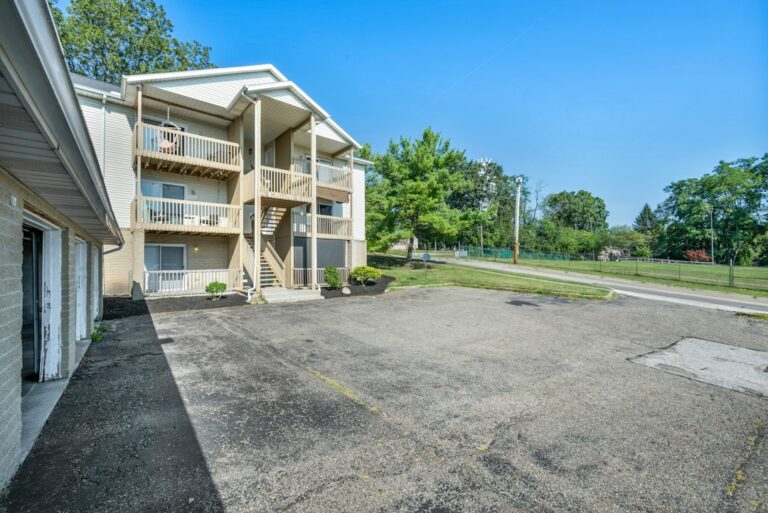

Our Buy Box
What We Buy In Nevada
Asset Type
Multifamily, 5+ Units
Apartment buildings and income-producing residential.
Size
5 – 100+ Units
Sweet spot: 15–25 units.
Condition
Stabilized To Distressed
Value-add, mismanaged, and high-vacancy properties welcome.
Deal Types
Listed Or Off-Market
Direct-to-owner, pocket listings, portfolios.
How Selling To Us Works
- 01
Submit The Deal
Send the address, unit count, asking price, and a rent roll or T-12 if you have them.
- 02
Initial Review
We review it against our buy box and give clear feedback — typically within 48 hours.
- 03
Underwriting & LOI
If it fits, we underwrite in detail and submit a written letter of intent.
- 04
Diligence & Close
Inspections and financing on the agreed timeline, then a professional, predictable closing.
Nevada Seller FAQ
What should I check before I sell commercial property in Nevada?
Start with rents and vacancy, since buyers do. Nevada median gross rent was $1,597 a month and rental vacancy 6.8% in the Census Bureau's 2020-2024 ACS. Then check the county transfer tax and the 35% assessed-value tax basis before setting a price.
Does Nevada charge a transfer tax when an apartment building sells?
Yes, under NRS Chapter 375. Clark County, with over 700,000 residents, charges $2.55 per $500 of value, so a $2 million sale there carries a $10,200 transfer tax. Smaller counties, including Washoe, charge a lower combined rate.
Can Nevada landlords raise rent without limits?
Nevada sets no statutory rent cap, but NRS 118A.300 requires 60 days' written notice before most rent increases, or 30 days for a periodic tenancy under one month. No Nevada city currently imposes its own rent control.
How does Nevada tax an apartment building after it sells?
Nevada assesses real property at 35% of taxable value, calculated by a cost method rather than reset to the sale price. A Clark County or Washoe County owner should budget for the county's annual bill, not last year's statement.
How do I sell commercial property in Nevada?
Send us the address, unit count, and a rent roll if you have one. We review Nevada apartment buildings of 5+ units against our buy box and give clear feedback, typically within 48 hours.
Do you buy apartment buildings everywhere in Nevada?
Yes. We evaluate multifamily properties statewide, including Las Vegas, Reno, Fernley, Henderson, North Las Vegas, Sparks, Carson City, Elko, smaller cities, and suburban markets. Every property is reviewed on its own fundamentals.
What types of Nevada multifamily properties do you buy?
Apartment buildings and income-producing residential properties with 5 or more units — stabilized, value-add, mismanaged, or distressed. Our sweet spot is 15–25 units, and we review larger communities with capital partners.
Is it possible to sell rental property in Nevada without evicting tenants?
It is. We buy apartment buildings occupied, and tenants stay on their current leases. Skyline Capital Investments is a commercial real estate buyer of 5+ unit buildings, so occupied properties are the norm for us.
What do I need to sell my apartment building in Nevada?
An address and unit count are enough to start. A current rent roll and trailing twelve-month statement let us move to a written offer faster.
Do I need to make repairs before selling?
No. We underwrite properties as they are today, including deferred maintenance and vacancy.
From The Blog
Nevada Market Insights
Submit A Deal
Have A Property In Nevada?
Tell us about it. Owners, agents, brokers, and deal finders are all welcome — conversations are confidential.
