
Lehigh County · Allentown
Sell Your Commercial Property In Allentown, PA
We are an active buyer of Allentown commercial rental properties with five or more units, whether the building is fully leased, half vacant, or overdue for renovation.
- Clear feedback on your deal, typically within 48 hours
- 5 to 100+ units, stabilized or distressed, listed or off-market
- Owners, agents, and brokers welcome — every conversation is confidential
We buy:Tired landlordsEstate & trust sales1031 exchangesDeferred maintenanceHigh vacancyPartnership splits
Neighborhoods & Nearby Towns: Bethlehem · Easton · Whitehall · Emmaus — Lehigh County, PA
Local Demand
Our View On Allentown
Most Allentown households rent. The Census Bureau's 2020–2024 American Community Survey counts 26,339 renter households among 46,374 occupied homes, a 56.8% renter share, with a median gross rent of $1,317 and a median household income of $55,494. Rent burden is high: 58.0% of renter households spend 30% or more of income on housing.
Rents across the metro are rising quickly. HUD raised the Allentown-Bethlehem-Easton two-bedroom Fair Market Rent from $1,507 in FY2025 to $1,634 in FY2026. Allentown also taxes property differently from its neighbors, with a land rate more than five times its building rate, and every rental unit must be licensed and inspected by the city. The sections below cover rents, stock, taxes and local rules for owners of 5+ unit buildings.
A renter-majority city
ACS 2020–2024 estimates count 26,339 renter households, 56.8% of occupied homes, and 31.2% of those renters spend half or more of their income on housing.Rising regional rent standards
HUD's FY2026 Fair Market Rents for the Allentown-Bethlehem-Easton metro rose at every bedroom size, with the two-bedroom figure up from $1,507 to $1,634.Older, attached housing stock
ACS 2020–2024 counts 17,831 attached homes, 36.0% of Allentown's 49,502 housing units, and a median build year of 1952, with 7,410 more units in two- to four-unit buildings.Our Buy Box
What We Buy In Allentown
Asset Type
Multifamily, 5+ Units
Apartment buildings and income-producing residential.
Size
5 – 100+ Units
Sweet spot: 15–25 units.
Condition
Stabilized To Distressed
Value-add, mismanaged, and high-vacancy properties welcome.
Deal Types
Listed Or Off-Market
Direct-to-owner, pocket listings, portfolios.
Local Market Data
Allentown Apartment Market
Figures gathered October 2026 from public market data.
Who rents in Allentown
Allentown has 125,976 residents and 46,374 occupied homes, of which 26,339 are rented, a 56.8% renter share in the ACS 2020–2024 estimates. The median household income is $55,494. Rent takes a large share of that income: 15,278 renter households, or 58.0%, spend 30% or more on rent, and 8,213 (31.2%) spend at least half. Those burden levels are well above Philadelphia's and Pittsburgh's.
Demand comes from three directions: the Lehigh Valley's warehouse and logistics corridor, regional health systems such as Lehigh Valley Health Network, and renters moving in from the New York and Philadelphia metros. All three draw on the city's older, lower-cost rental stock.
Rents and affordability
The Census median gross rent of $1,317 averages leases from 2020 through 2024 and includes utilities. HUD's Fair Market Rents for the Allentown-Bethlehem-Easton metro, which set voucher payment standards in Lehigh and Northampton counties, show how fast the market has moved:
| Unit size | FY2025 FMR | FY2026 FMR | Change |
|---|---|---|---|
| Efficiency | $1,033 | $1,130 | +9.4% |
| One-bedroom | $1,213 | $1,341 | +10.6% |
| Two-bedroom | $1,507 | $1,634 | +8.4% |
| Three-bedroom | $1,924 | $2,087 | +8.5% |
| Four-bedroom | $2,005 | $2,195 | +9.5% |
HUD's own calculation shows why. Its FY2026 worksheet compares what recent movers in the metro paid with the five-year ACS rent for the same percentile and finds a gap of about 15% ($1,405 versus $1,223), and HUD built that adjustment into the new figures. For owners, that gap between in-place rents and what new tenants pay is the main source of upside in an older building.
The apartment stock
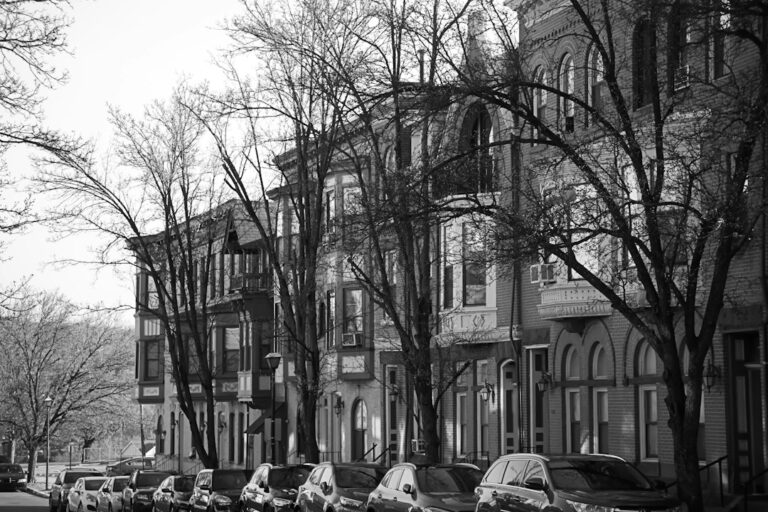
Allentown's housing is old and tightly built. The median year built is 1952. Of 49,502 housing units, 17,831 (36.0%) are attached homes such as rowhouses and twins, 12,820 are detached, and 7,410 (15.0%) sit in two- to four-unit buildings. Buildings with five or more units hold 11,292 units, 22.8% of the stock, including 3,712 in complexes of 50 or more.
The areas named on our Allentown page are outside the city and have their own tax rates. Bethlehem and Easton are separate cities; Whitehall is a township on Allentown's northern edge, and Emmaus is a borough to the south whose 2026 municipal rate is 10.646 mills, up from 7.448 in 2021. Easton and part of Bethlehem are in Northampton County, which last reassessed in 1995; the same Morning Call analysis puts a $100,000 property there at an assessment of about $17,007, so millage rates on the two sides of the county line cannot be compared directly.
Property taxes on apartment buildings
Lehigh County assesses property, and its last countywide reassessment was in 2013, according to a 2026 Morning Call review. Using state common-level ratios, the paper estimated that a property worth $100,000 on the market carries a Lehigh County assessment of about $49,505, roughly half its market value.
Allentown is the only municipality in the Valley with a split rate. The city taxes land at 24.47 mills and improvements at 4.63 mills, both up 4% last year, with the building rate set low to encourage development. County and school district millage are added on top; more than 98% of city parcels are in the Allentown School District. For a mid-size apartment building, where most of the value sits in the structure rather than the lot, the split rate keeps the city share of the bill lower than a single blended rate would.
At sale, Pennsylvania charges a 1% state realty transfer tax plus a local tax collected by the recorder, and holds buyer and seller jointly liable. Confirm the combined Allentown rate before pricing a deal.
Landlord rules and local compliance
- Licensing: under the city's Rental Unit Registration & Inspection Program, every rental unit must be registered and inspected by Residential Property Inspections before a license is issued. Licenses run for the calendar year and renew at $75 per unit, with a $50 per-unit late fee.
- Posting: owners must display the Owner and Occupant Duties document in every unit.
- Disruptive tenants: police or other officers issue Disruptive Conduct Reports, and three in a year may lead to the tenant's eviction.
- State rules: the Landlord and Tenant Act of 1951 caps deposits at two months' rent in the first year and one month after, with an itemized damage list due within 30 days of move-out.
- Rent control: Pennsylvania has none, and no Pennsylvania city caps rent increases on market-rate apartments.
What this means if you own a building here
Rising HUD standards and a high renter share support income, while the split tax rate rewards buildings over land. A buyer will still check every unit's license and inspection history, and will discount for deferred work in a stock with a 1952 median build year. Skyline buys 5+ unit buildings in Allentown and across the Lehigh Valley, stabilized or in need of work. Use the apartment building value calculator to test how rent changes move value, or start at sell my apartment building.
Before You Sell
Pricing Your Building In Allentown
Planning to sell commercial property in Allentown, PA? These are the factors that shape our offer.
More about selling in Pennsylvania →Investing in Allentown? See apartment syndications in Allentown →
- Allentown taxes land at 24.47 mills and buildings at 4.63 mills for city purposes, so a well-improved apartment building on a small lot pays less city tax than its total value suggests.
- Lehigh County last reassessed in 2013, and its assessments run at roughly half of market value, so a buyer's tax estimate rests on the current assessment, not the sale price.
- Every Allentown rental unit needs a city license, renewed each calendar year at $75 per unit with a $50 per-unit late fee, after an inspection by Residential Property Inspections.
- Pennsylvania charges a 1% state realty transfer tax plus a local tax, and buyer and seller are jointly liable, so confirm the local rate with the recorder before pricing a sale.
Seller Guides
Your Situation, Handled — Allentown
Learn More
Taxes & Rules For Allentown Property
The Pennsylvania rules that shape any deal in Allentown: what a sale costs in tax, how buildings are taxed, what landlords must follow, and how to defer gains.
Allentown Seller FAQ
What is the average rent in Allentown, PA?
The Census Bureau's ACS 2020–2024 estimate puts Allentown's median gross rent, including utilities, at $1,317 a month. HUD's FY2026 Fair Market Rents for the Allentown-Bethlehem-Easton metro are $1,130 for an efficiency, $1,341 for a one-bedroom, $1,634 for a two-bedroom and $2,087 for a three-bedroom, all higher than in FY2025.
How are apartment buildings taxed in Allentown?
Allentown uses a split rate for city taxes: 24.47 mills on the assessed value of land and 4.63 mills on buildings and other improvements, according to The Morning Call's 2026 review. County and school district taxes are added on top. Lehigh County's last reassessment was in 2013, and assessed values run at roughly half of market value.
Does Allentown have rent control?
No. Pennsylvania has no rent control, and no Pennsylvania city caps rent increases on market-rate apartments. Allentown regulates rentals through licensing instead: every unit must be registered, inspected and licensed each year, and owners must post the Owner and Occupant Duties document in every unit.
What share of Allentown households rent?
According to ACS 2020–2024 estimates, 26,339 of Allentown's 46,374 occupied housing units are rented, or 56.8%. About 22.8% of all housing units are in buildings with five or more units, and 36.0% are attached single-family homes such as rowhouses and twins.
Is now a good time to sell an apartment building in Allentown?
It depends on the building, but rent standards are moving in sellers' favor. HUD's two-bedroom Fair Market Rent for the metro rose about 8% from FY2025 to FY2026. On the cost side, Allentown's low building tax rate means improvements add relatively little to the city portion of a tax bill, which buyers value when they underwrite renovations.
What if my Allentown building has vacancies or deferred maintenance?
That is often where we add the most value. We buy buildings that need renovation, new management, or lease-up, and we account for that in our offer.
How does a sale to you work in Lehigh County?
Send the address, unit count, and any financials. We give feedback, then a written letter of intent if it fits, followed by diligence and a closing date that works for you.
Is it possible to sell rental property in Allentown without evicting tenants?
It is. We buy apartment buildings occupied, and tenants stay on their current leases. Skyline Capital Investments is a commercial real estate buyer of 5+ unit buildings, so occupied properties are the norm for us.
How fast can I sell my apartment building in Allentown?
Most owners get clear feedback within 48 hours of sending the address, unit count, and a rent roll. Closing is typically set around your timeline, including extra time for a 1031 exchange.
Submit A Deal
Tell Us About Your Property In Allentown
The simplest way to sell commercial property in Allentown, PA is to send us the basics below.
Send the address, unit count, and asking price if you have one. We keep every conversation confidential.
