Do I still have to give Dallas’s notice of proposed eviction?
On the face of state law, no. Dallas City Council adopted a temporary Notice of Proposed Eviction ordinance, No. 32346, on November 9, 2022. It required a landlord to give a notice of proposed eviction before a notice to vacate for unpaid rent, gave the tenant 10 days to show proof of a rental assistance application and, with that proof, 60 days to cure. The ordinance says it expires when a permanent eviction ordinance is adopted, and a permanent version was still a draft in April 2023.
Then the legislature stepped in. HB 2127 added Property Code 1.004, effective September 1, 2023, which voids any city ordinance “regulating evictions or otherwise prohibiting, restricting, or delaying delivery of a notice to vacate or filing a suit to recover possession.” A Texas appeals court let HB 2127 stand in July 2025, and SB 38 added 24.0043, under which only the legislature may modify or suspend eviction procedures.
We couldn’t find a city notice formally repealing Ordinance 32346, and the city’s fair housing pages still post the old notice documents.
Some owners give the city notice anyway to stay clear of the argument. Know what it costs. Using the $1,300 rent from the example below, the 10-day response window adds about $427.40 in lost rent per unit, and a tenant who shows a rental assistance application could stretch the cure period to 60 days, about $2,564.38. For a building with several late units at once, that difference is worth an hour of legal advice.
The state process in brief
For suits filed on or after January 1, 2026, Texas requires at least three days’ written notice to vacate, or a notice to pay rent or vacate for a tenant who wasn’t late before that month. Trial must fall between the 10th and 21st day after filing, appeals run five days, and the writ can’t issue before the sixth day after judgment. Our Texas eviction process guide covers SB 38 and Rule 510 in full.
Dallas County justice courts and where to file
File in the justice court for the precinct where the building sits, as Property Code 24.0041 requires. Dallas County has 10 justice of the peace courts, two in each of five precincts, and several of them serve parts of the city of Dallas. Dallas also reaches into Collin, Denton, Kaufman and Rockwall counties, and a building there files in that county’s justice court.
| Court | Location |
|---|---|
| JP 1-1 and 1-2 | South Dallas Government Center |
| JP 2-1 | Garland |
| JP 2-2 | Mesquite |
| JP 3-1 and 3-2 | North Dallas Government Center |
| JP 4-1 and 4-2 | Grand Prairie |
| JP 5-1 | East Dallas Government Center, now at 9731 Lake June Road |
| JP 5-2 | Oak Cliff Government Center |
What Dallas County charges in 2026
Dallas County’s justice courts post a combined eviction fee schedule effective January 1, 2026. The filing fee is $54, and the constable service fee is $80 for each defendant, so a case against one tenant costs $134 to file and a case against two costs $214. A writ of possession costs $405, made up of a $5 filing fee and a $400 service fee.
Bring an original petition plus a copy for each defendant to be served. If you don’t, JP 2-1 notes the clerk can make copies at $1.00 for the first page and 25 cents for each page after that. A tenant who can’t afford costs can file a statement of inability to pay, and the courts post that form too.
Filing practice in Dallas County courts
Each court runs its own eviction page with forms, but SB 38 now limits how far a court can go. Under 24.00506, a justice court can’t require extra petition content, mediation or a pretrial conference, so the statewide petition contents in Rule 510.6 are what you need.
- Filing method: JP 1-2 accepts electronic, in-person and mailed filings. Check your court’s page before you mail anything.
- Appeals: JP 1-2 says all appeals must be filed in person.
- Writ request: use your court’s Request for Writ of Possession form once the waiting period ends.
- Bond for immediate possession: available on court forms, and under SB 38 a writ can issue seven days after notice of the bond if the tenant attended trial or was served with the judgment and hasn’t appealed.
- Jury request or venue change: due at least three days before trial, or three days after service if later.
- Wrongful lockout remedies: the same pages carry writs of re-entry and restoration of utilities for tenants, which tells you how seriously the courts treat self-help.
Constables and the writ in Dallas County
The constable for the precinct serves your citation and later executes the writ. SB 38 gives the constable five business days to serve the citation and five business days to serve the writ after it issues; if either deadline passes, you can ask for another trained law enforcement officer, including an off-duty officer.
The writ itself is where Dallas County gets expensive, at $405 per writ. Before execution, the officer posts a warning on the front door at least 24 hours ahead. Plan your crew, locksmith and storage for the day after that posting.
City of Dallas rules that still apply to apartment owners
Dallas regulates the building, not the eviction. Anyone who owns, operates or controls a multi-tenant property must register with Dallas Code Compliance and renew every year at least 30 days before the prior registration expires. Properties with three or more units on one lot that are five years old or older are inspected at least once every three years.
Keep your certificate of occupancy and multi-tenant registration certificate on display. Missing documents at a graded inspection count as an administrative failure, invoiced at $86 per unit across the whole property, so a 24-unit building would be billed $2,064. A code complaint from a tenant you’re trying to evict can also feed a retaliation claim under Property Code 92.331.
Worked example: one unit in a 24-unit Oak Cliff building
Assume a two-bedroom renting for $1,300 a month, a lease signed by two adults, a tenant who had paid late before, rent due Thursday, April 1, 2027, and an assumed $700 attorney fee. Because of the prior late payment, a notice to vacate is allowed. You deliver it inside the main entry door on Friday, April 2, the three days run April 3 through Monday, April 5, and you file Tuesday, April 6, naming both adults.
The court sets trial for Tuesday, April 20, inside the 10-to-21-day window. Five days after judgment lands on Sunday, April 25, so the appeal deadline rolls to Monday, April 26, under 24.0042. The writ can issue on the later of the sixth day after judgment or the day after the appeal deadline, which is Tuesday, April 27. The constable posts the 24-hour warning April 28 and executes Thursday, April 29, day 28.
At $42.74 a day ($1,300 × 12 ÷ 365), lost rent comes to $1,196.71.
| Item | Amount |
|---|---|
| Lost rent, 28 days | $1,196.71 |
| Filing and service, two defendants | $214 |
| Writ of possession | $405 |
| Attorney fee (assumed) | $700 |
| Total | $2,515.71 |
Rent help and legal aid Dallas tenants are pointed to
Dallas County courts point tenants to Legal Aid of North Texas, and the county publishes a dashboard of eviction cases filed in its justice courts so that assistance groups can reach tenants early. Expect some tenants to arrive at trial with a lawyer or an assistance application in hand.
That is often your best opening to settle. A signed payment plan or a cash for keys agreement before trial costs less than a writ at $405 plus a crew, and it avoids an appeal to county court, where the tenant pays rent into the registry while the case waits.
Running evictions at a Dallas apartment building
For an owner of five or more units, the biggest Dallas-specific costs are per-tenant service fees and the writ fee, which add up quickly when several units go late in the same month. Name every adult who needs to be bound, but don’t name occupants you don’t need, since each defendant adds $80. File the month’s late units together so they share one docket and one constable, and track each writ’s issuance date, since a writ can’t be executed more than 90 days after judgment.
Keep registration current and your inspection file clean, and decide early which units to settle. Our landlord-tenant law guide covers deposits and repair duties if you need the background.
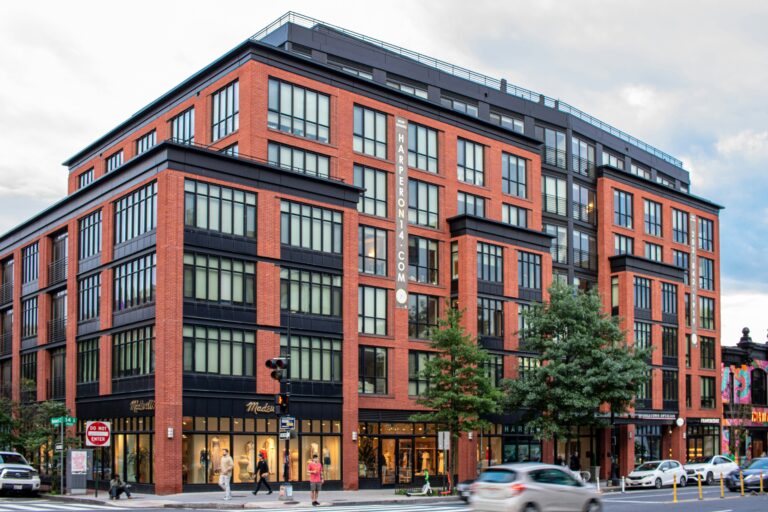
Selling your Dallas apartment building to Skyline
Skyline Capital Investments buys apartment buildings with five or more units in Dallas and across Dallas County, with tenants in place and in any condition, including buildings with nonpaying units or cases already on a JP docket. Send the address and unit count through the form on this page or call (469) 660-2977. We typically respond within 48 hours.